
The Importance of Agronomic Support in Sustainable Farming


Understanding Agronomic Support
Agronomic support plays a crucial role in modern agriculture, especially in the context of sustainable farming. This support involves a range of services and expertise aimed at improving crop production while maintaining environmental balance. By integrating advanced agricultural practices with scientific research, farmers can achieve higher yields and contribute to sustainability.
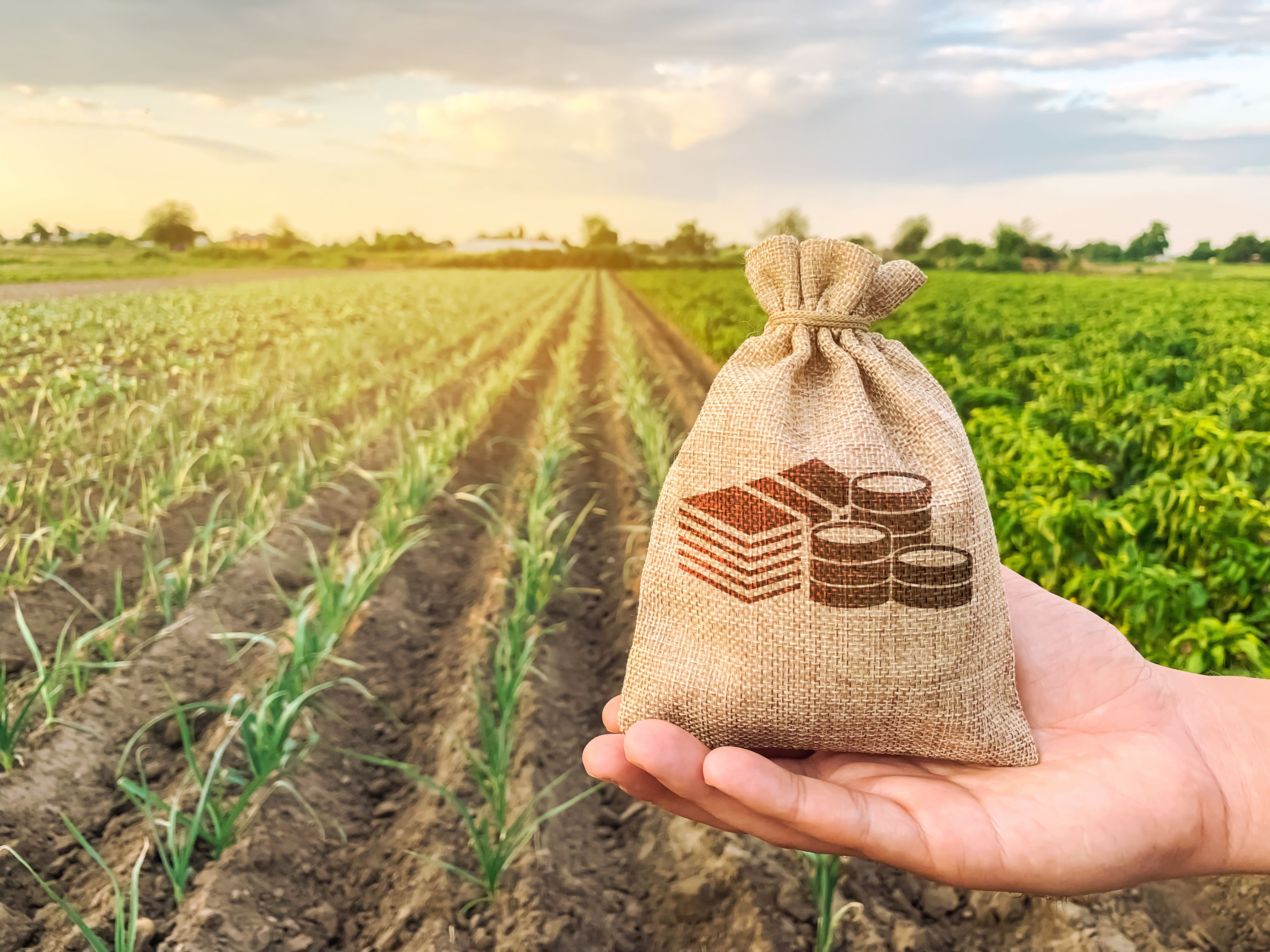
One of the primary functions of agronomic support is to provide farmers with tailored advice on soil management, crop rotation, and pest control. These practices are essential for maintaining soil health, which is the foundation of sustainable farming. Healthy soil not only supports robust crop growth but also helps sequester carbon, thus mitigating climate change.
The Role of Technology
Technology is revolutionizing agronomic support, offering farmers innovative tools to enhance productivity and sustainability. Precision agriculture, for example, utilizes GPS and data analytics to optimize field-level management. This technology allows farmers to apply inputs like water and fertilizers more efficiently, reducing waste and environmental impact.

Moreover, the use of drones and satellite imagery provides invaluable data that helps agronomists make informed decisions. These technologies enable the monitoring of crop health and the identification of potential issues before they escalate, ensuring timely interventions.
Benefits of Sustainable Farming
Sustainable farming practices, supported by agronomic expertise, offer numerous environmental and economic benefits. By reducing dependency on chemical inputs, sustainable farming promotes biodiversity and enhances ecosystem services. This approach also supports the long-term viability of agricultural enterprises by improving resilience to climate change and market fluctuations.

Economically, sustainable farming can lead to cost savings and increased profitability. By optimizing resource use, farmers can reduce operational costs and improve their bottom line. Additionally, sustainable practices often open up new market opportunities, as consumer demand for environmentally friendly products continues to grow.
Collaborative Efforts
Collaboration between farmers, agronomists, and research institutions is vital for the success of sustainable farming. Agronomic support facilitates knowledge transfer and innovation, enabling farmers to adopt best practices and adapt to changing conditions. This collaborative approach fosters a community of learning and continuous improvement.
Furthermore, government policies and incentives can play a significant role in promoting agronomic support and sustainable farming. By investing in research and education, policymakers can help create an environment where sustainable practices thrive.

In conclusion, agronomic support is indispensable for achieving sustainable farming goals. By leveraging technology, fostering collaboration, and promoting environmentally friendly practices, agronomic support helps farmers build a resilient and productive agricultural future.