
Maximizing Crop Yields: The Role of Agronomic Support


Understanding Agronomic Support
In the ever-evolving world of agriculture, maximizing crop yields is a top priority for farmers and researchers alike. One of the most effective ways to achieve this is through comprehensive agronomic support. Agronomy, the science of soil management and crop production, plays a crucial role in enhancing agricultural productivity and sustainability.
Agronomic support involves a range of services and practices designed to optimize crop growth. These include soil testing, crop rotation recommendations, pest management strategies, and the implementation of modern farming technologies. By leveraging these practices, farmers can improve their yields while maintaining the health of their land.
Key Components of Agronomic Support
Soil Health Management
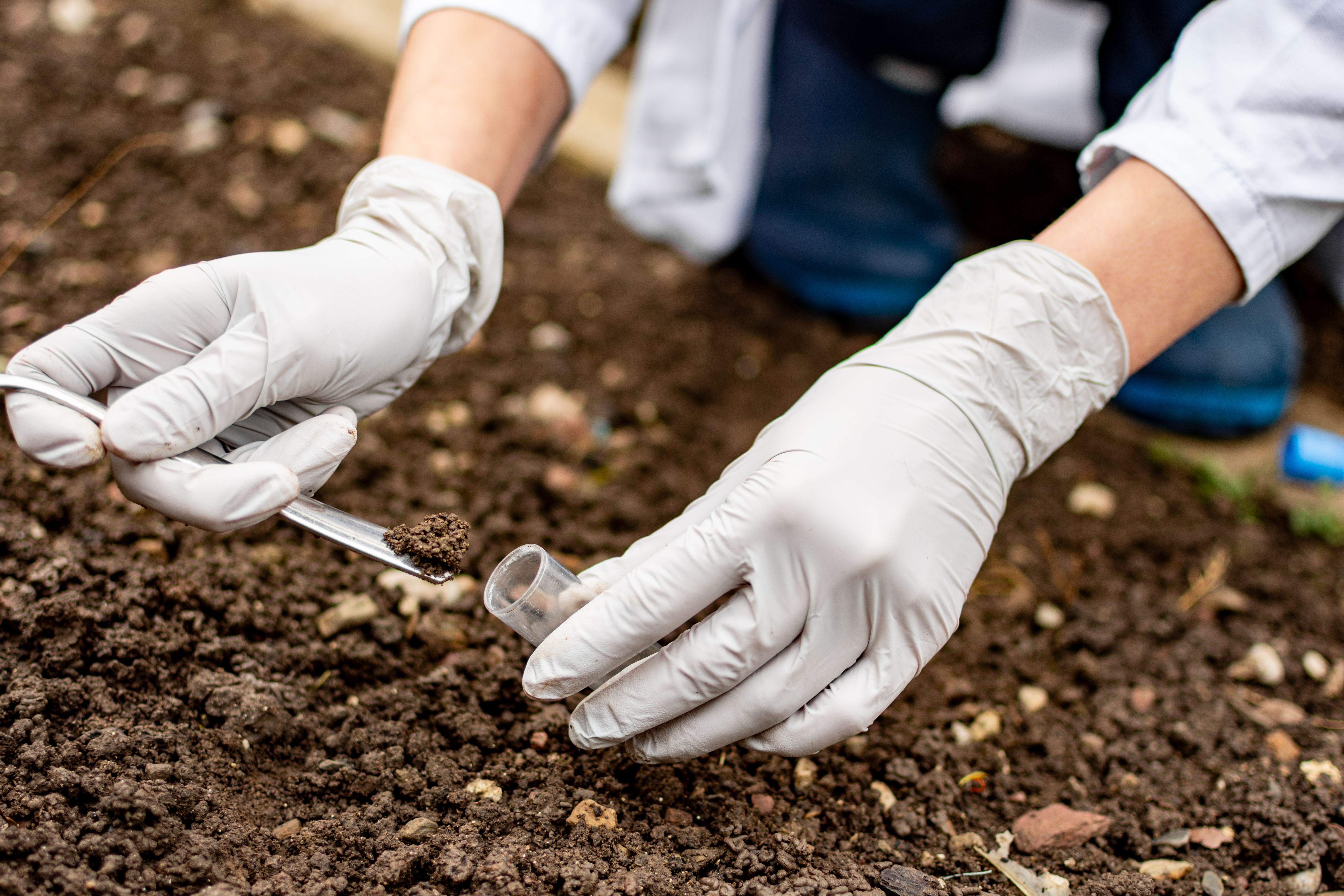
Soil health is the foundation of successful crop production. Agronomic support focuses heavily on understanding and improving soil conditions. This includes testing for nutrient levels, pH balance, and organic matter content. Based on these tests, agronomists provide tailored recommendations for fertilization and soil amendments.
Regular soil monitoring helps farmers make informed decisions about crop planting and nutrient management. By maintaining optimal soil conditions, farmers can ensure that their crops receive the necessary nutrients to thrive.
Crop Rotation and Diversity
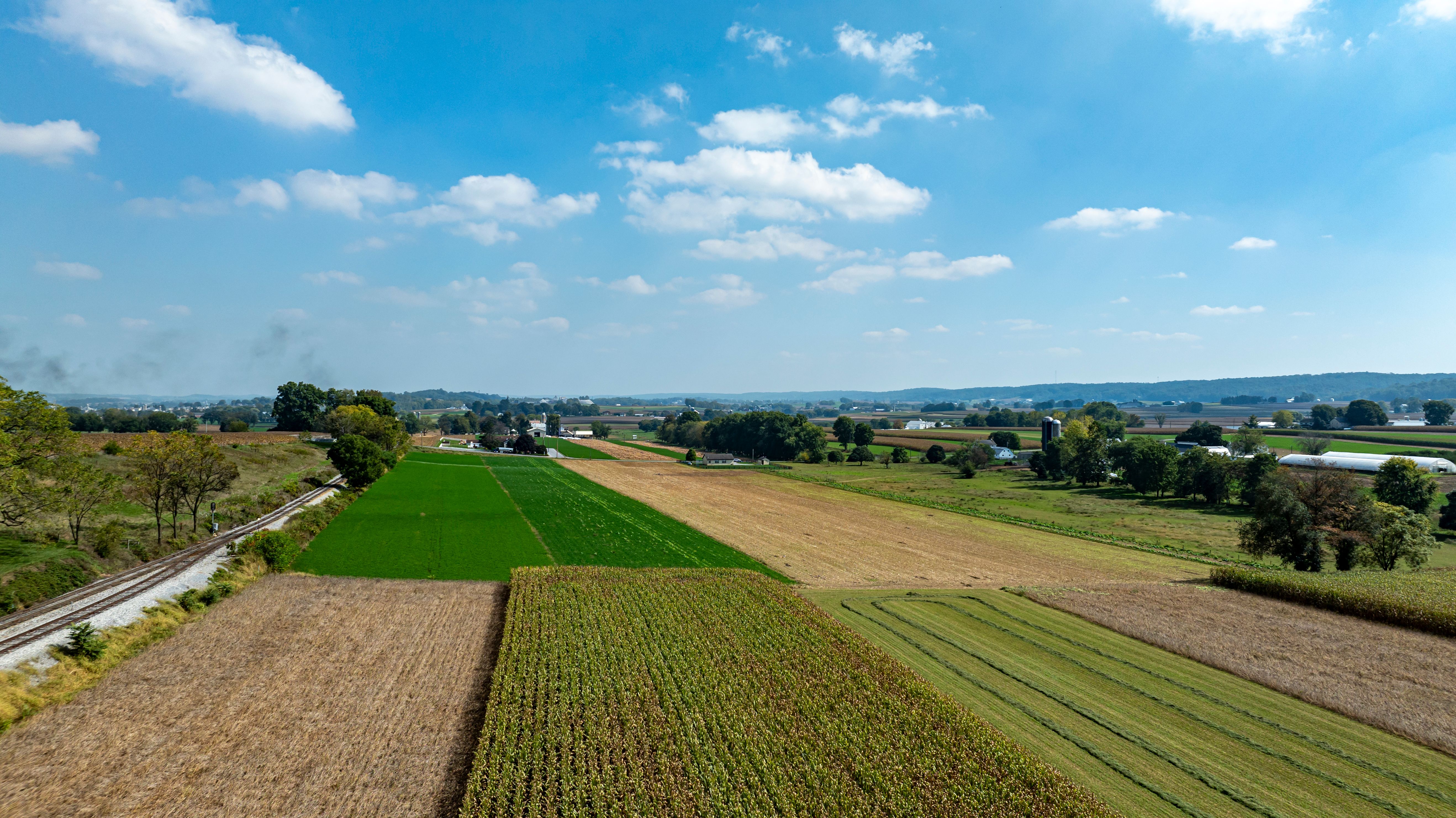
Crop rotation is another essential aspect of agronomic support. This practice involves growing different types of crops in succession on the same land to improve soil health and reduce pest and disease pressure. Agronomists can recommend specific rotation schedules that align with the crops best suited to a given region.
Implementing diverse crop rotations can lead to increased yields and improved soil structure. It also helps in breaking the life cycles of pests and diseases, reducing reliance on chemical controls.
Advanced Farming Technologies
Precision Agriculture
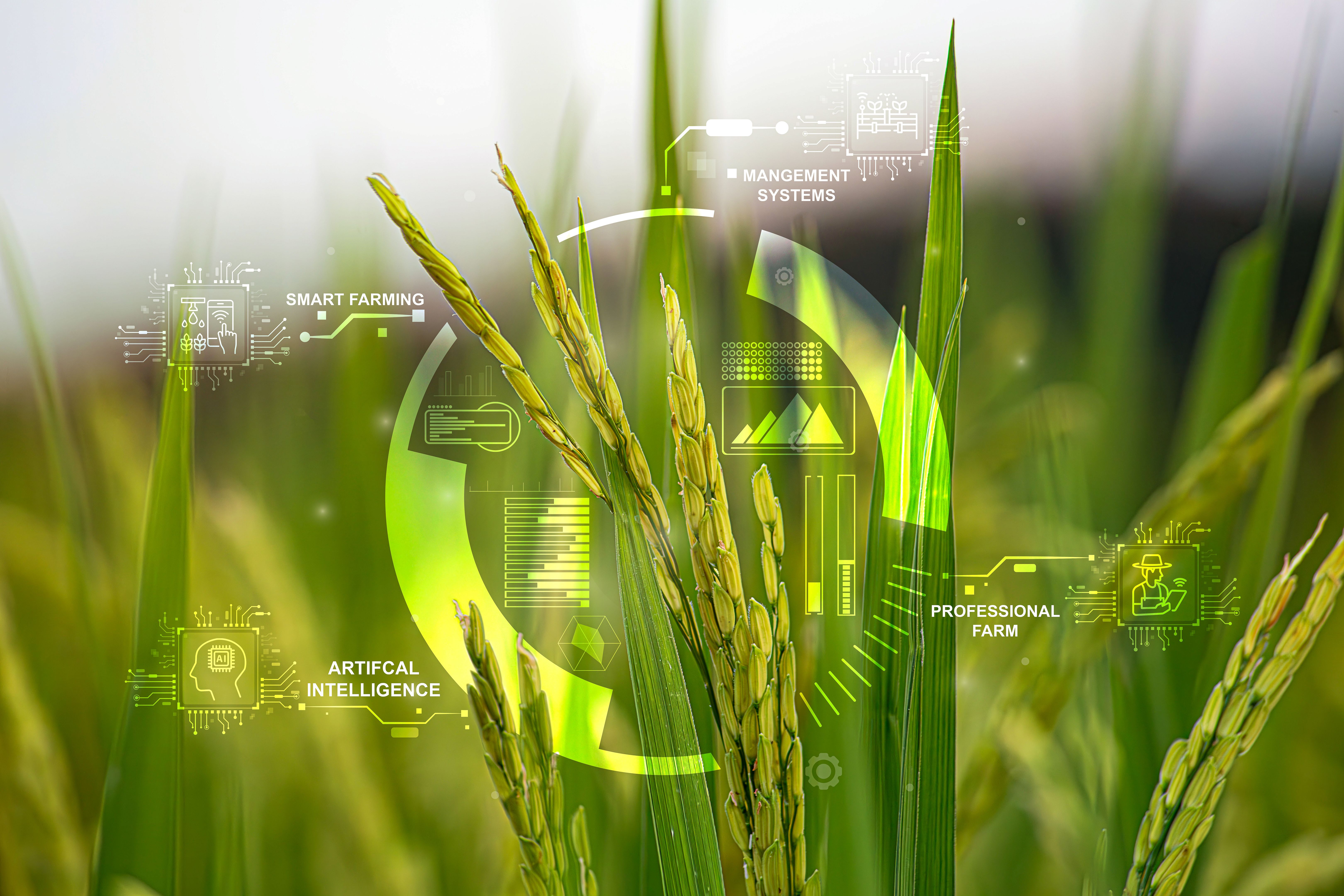
Precision agriculture is a cutting-edge approach that uses technology to monitor and manage field variability in crops. This includes the use of GPS, sensors, and drones to collect data on soil conditions, crop health, and weather patterns. Agronomists analyze this data to provide precise recommendations for planting, watering, and harvesting.
By implementing precision agriculture techniques, farmers can optimize resources, reduce waste, and significantly increase crop yields. This technology-driven approach is becoming increasingly accessible, making it a valuable tool for farmers worldwide.
Integrated Pest Management
Effective pest management is critical for maximizing yields. Agronomic support often includes integrated pest management (IPM) strategies that emphasize the use of biological control agents, cultural practices, and resistant crop varieties. This holistic approach minimizes the need for chemical pesticides, promoting a healthier ecosystem.
IPM not only protects crops from pests but also contributes to long-term sustainability by preserving beneficial insect populations and reducing environmental impact.

Conclusion
Maximizing crop yields requires a comprehensive approach that integrates multiple facets of agronomic support. From enhancing soil health to leveraging modern technologies, these practices collectively contribute to sustainable and productive agriculture. By embracing agronomic support, farmers can achieve higher yields, improve resource efficiency, and ensure the long-term viability of their farming operations.
As the agricultural landscape continues to evolve, the role of agronomic support becomes increasingly vital. Embracing these strategies can lead to more resilient farming systems capable of meeting the demands of a growing global population.