
Comprehensive Guide to Seasonal Planting in Ghana


Understanding Ghana's Climate
Ghana's climate is primarily tropical, with two main seasons: the rainy season and the dry season. These climatic conditions play a crucial role in determining the best times for planting various crops. Understanding the seasonal variations is essential for successful farming in the region.
The Rainy Season
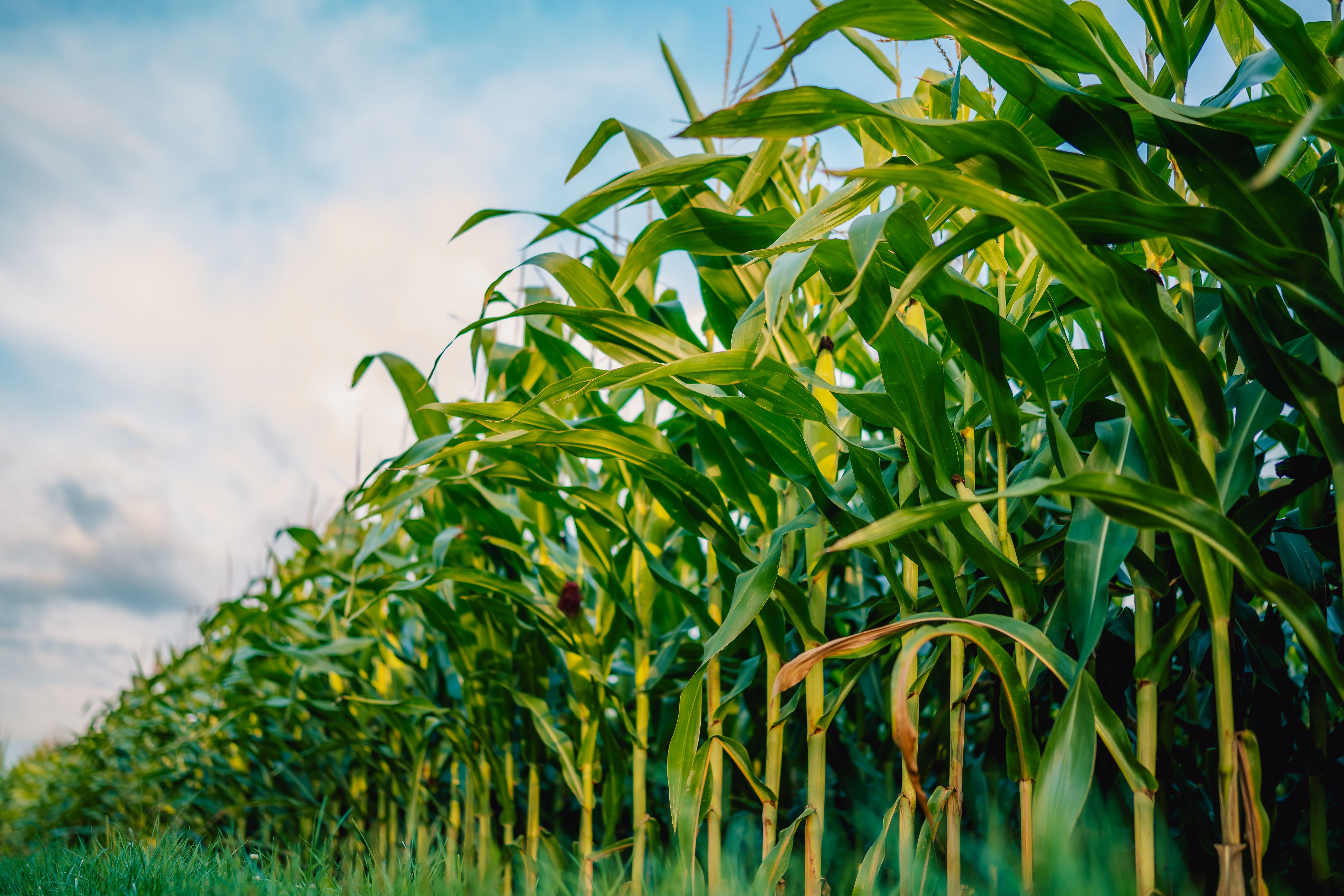
The rainy season in Ghana typically runs from March to November, with variations depending on the geographical area. This period is ideal for planting crops such as maize, rice, and yams. The abundant rainfall provides the necessary moisture for these crops to thrive.
The Dry Season
The dry season spans from December to February, characterized by the Harmattan winds. While this period may not be ideal for all crops, it is perfect for growing drought-resistant plants like millet and sorghum. Farmers often use this time for soil preparation and maintenance.
Choosing the Right Crops
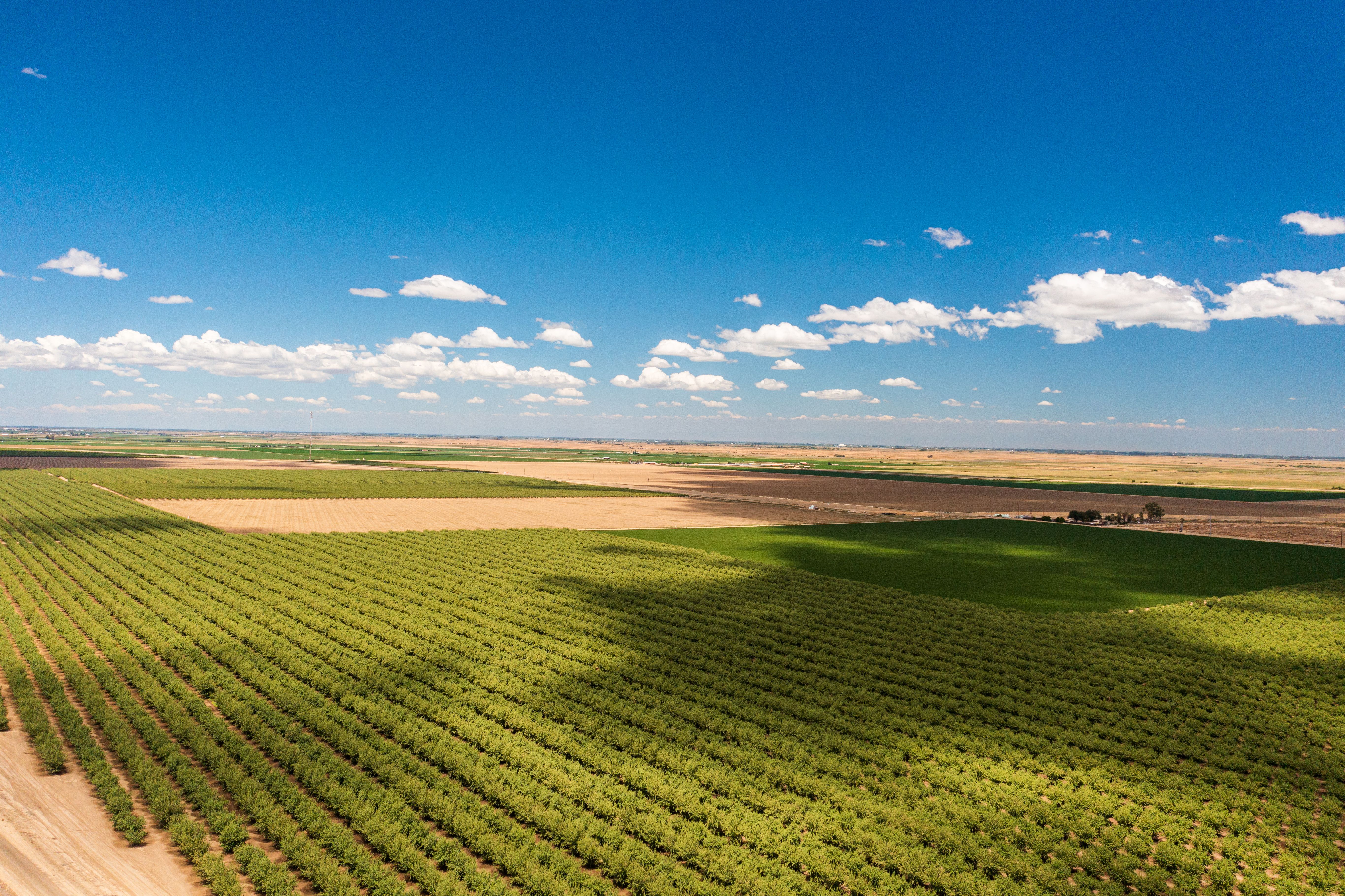
Selecting the appropriate crops for each season is vital. During the rainy season, opt for water-intensive crops, while the dry season should focus on drought-resistant varieties. Additionally, consider local demand and market trends to maximize profitability.
Popular Crops for the Rainy Season
- Maize
- Rice
- Yams
- Cassava
These crops benefit from the consistent rainfall and can yield substantial harvests if managed properly.
Popular Crops for the Dry Season
- Millet
- Sorghum
- Groundnuts
These crops are well-suited to withstand the arid conditions and can provide a steady income during the off-peak planting season.
Soil Preparation and Maintenance
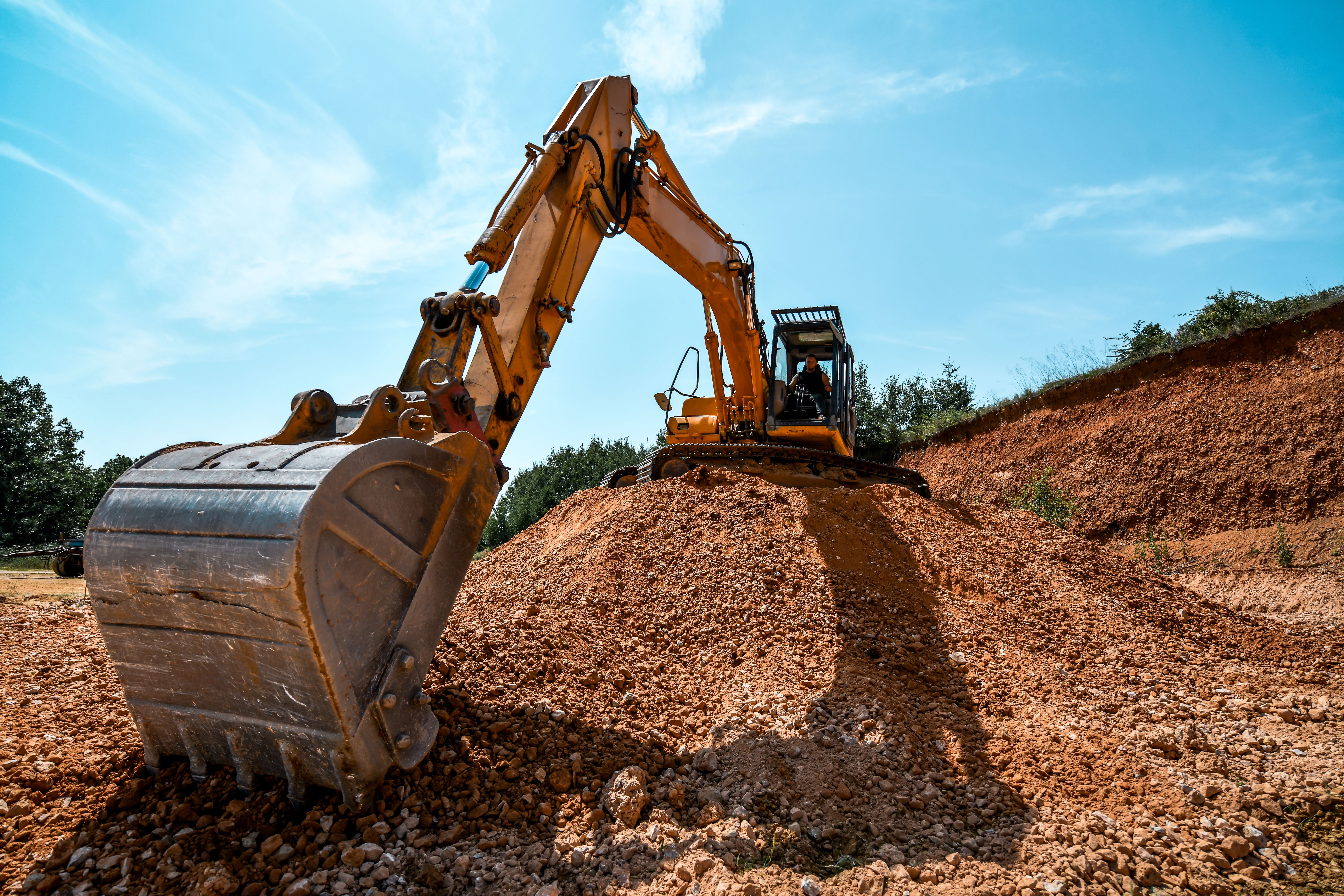
Proper soil preparation is crucial for successful planting. During the dry season, farmers should focus on clearing fields, applying organic fertilizers, and ensuring proper drainage. This preparation sets the stage for a bountiful harvest during the rainy season.
Utilizing Modern Techniques
Incorporating modern agricultural techniques can significantly enhance productivity. Techniques such as crop rotation, intercropping, and the use of organic fertilizers help maintain soil fertility and reduce pest infestations.
Conclusion
Seasonal planting in Ghana requires a strategic approach, taking into account the country's unique climatic conditions. By understanding the best times to plant specific crops and employing effective farming techniques, farmers can optimize their yields and contribute to the nation's food security.